
Injection, Coating & Automation: Inside Infused Preroll Manufacturing
Explore how infused prerolls are manufactured through injection, coating, dosing, and automation — and why modern cannabis production requires a complete workflow, not just a single machine.
What Does It Really Cost to Manufacture a Preroll?
What does it really cost to manufacture a preroll at scale? We compare real production costs, labor, and co-packing economics to show where margins are won or lost.
Do Your Research: COAs
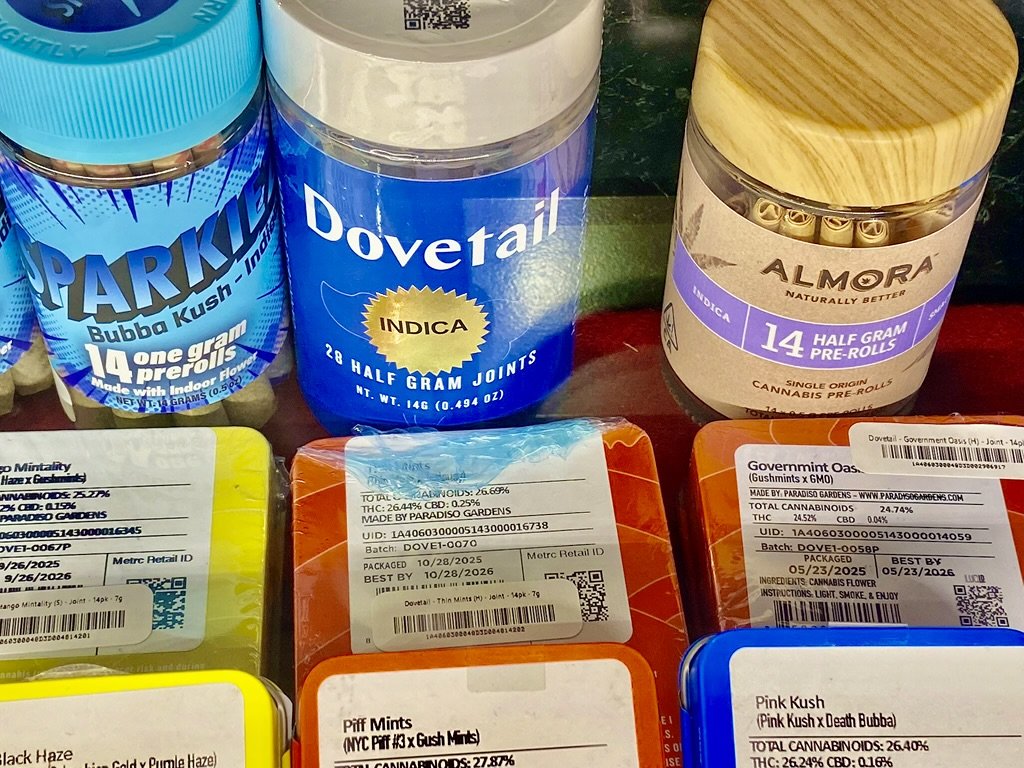
COAs reveal more than potency. They can expose product consistency, formulation choices, and manufacturing differences that matter to operators and brands.
How Infused Pre-Rolls Are Made: Commercial Manufacturing Methods
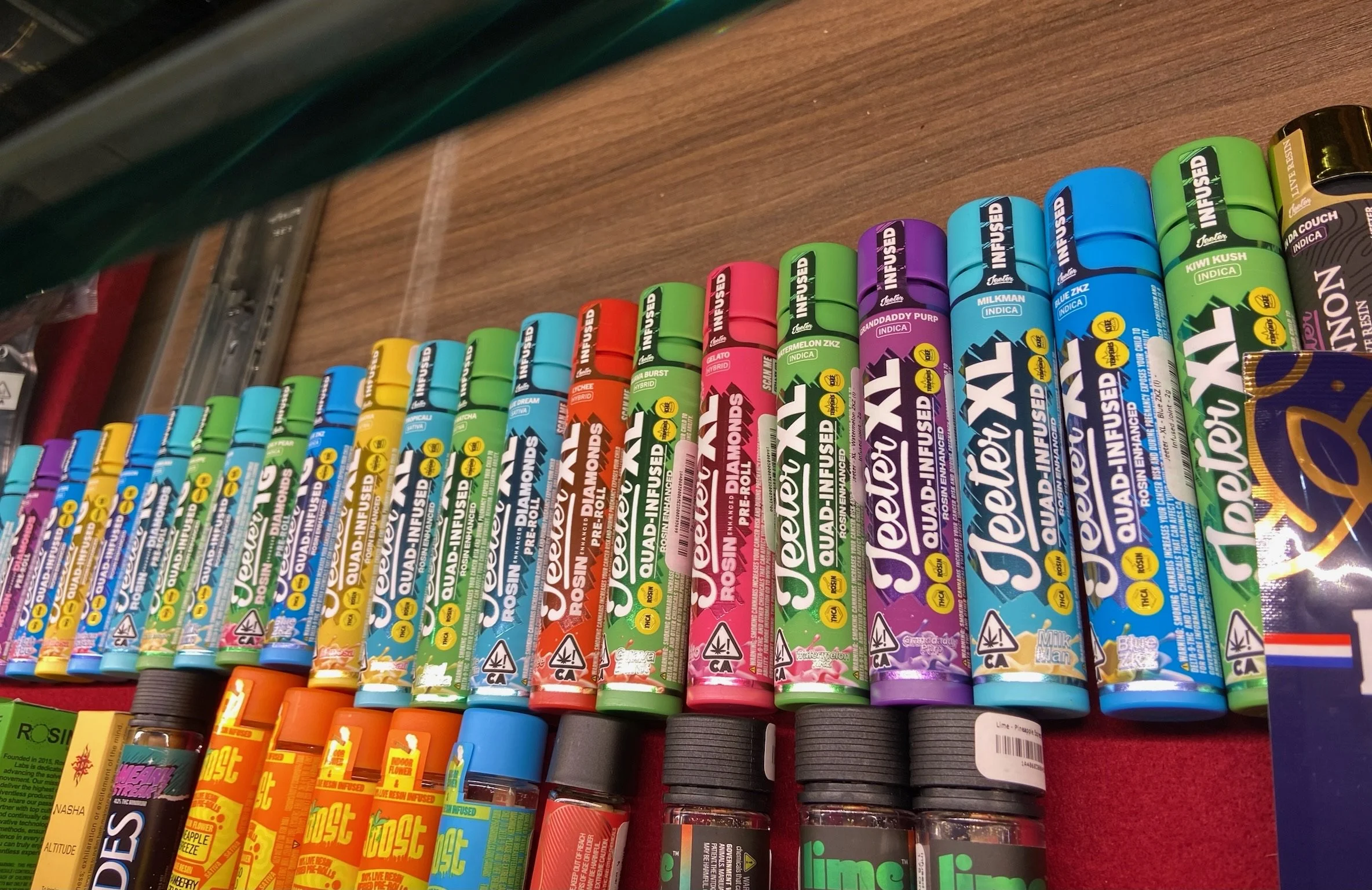
A practical look at how infused pre-rolls are manufactured at commercial scale, from concentrates and mixing methods to production equipment and workflow
Why Glass Tip Pre-Rolls Are Cannabis’s Next Premium Signal
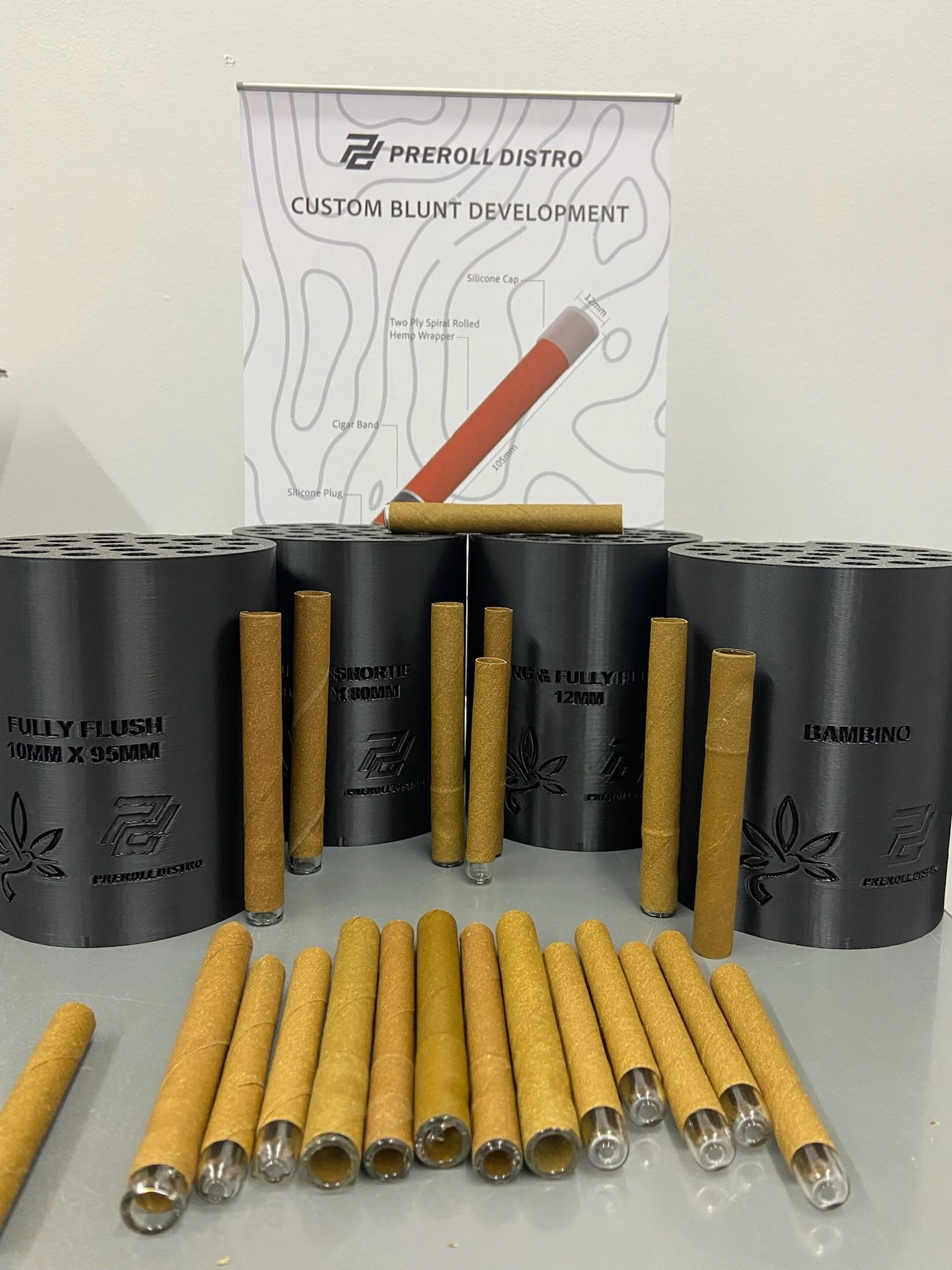
Pre-roll manufacturing has long been focused on three things: speed, consistency, and throughput. Today, the conversation is different. The category has matured, dispensary shelves are crowded, and in many markets flower prices continue to decline. When most brands are offering comparable-quality flower at comparable prices, it’s becoming harder to stand out based on what’s inside the cone alone.

What Michigan Is Teaching the Cannabis Industry About Manufacturing
Michigan loves its weed. For a state with just over 10 million residents, Michigan has become one of the most important cannabis markets in North America. Walk into almost any dispensary and you’ll find an incredible selection of flower, concentrates, edibles, vape cartridges, and pre-rolls. Deli-style flower is everywhere. Value pricing dominates the shelves. Consumers are knowledgeable, selective, and accustomed to having choices. But Michigan’s real story isn’t happening at the retail counter.
Centrifugal vs. Vibratory Filling Why the Future of Preroll Manufacturing Is About More Than Speed
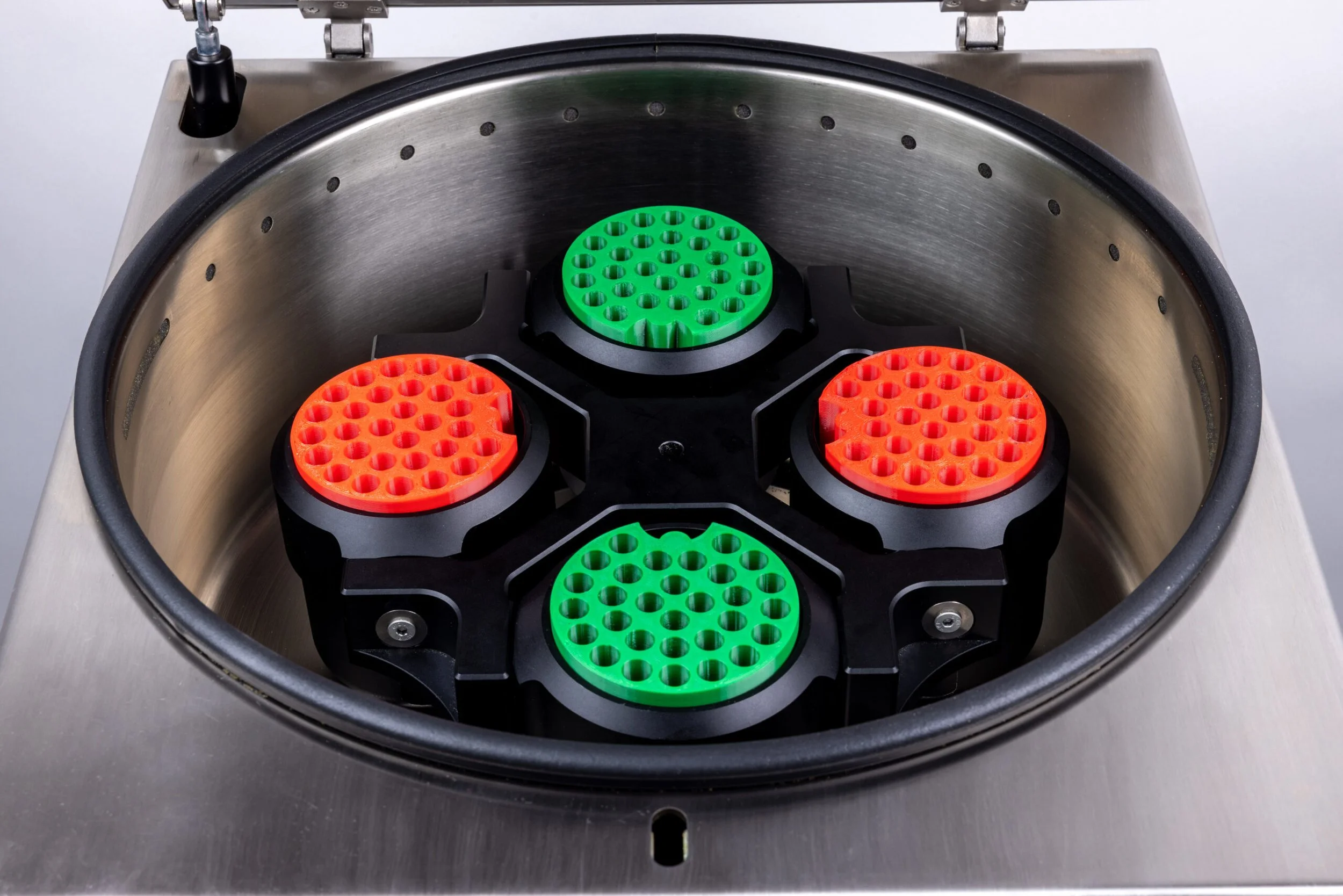
One of the most common questions we get at Hummingbird is, “How many prerolls per hour does your machine produce?” In the early days, I probably spent more time answering that question than I ever wanted to. Today, my answer is usually, “Thousands per hour.” Not because I don’t want to answer it, but because I think it’s the wrong place to start. A good workflow in any process can results in 1000s per hour.
The Future of Preroll Manufacturing Is Touching Fewer Prerolls
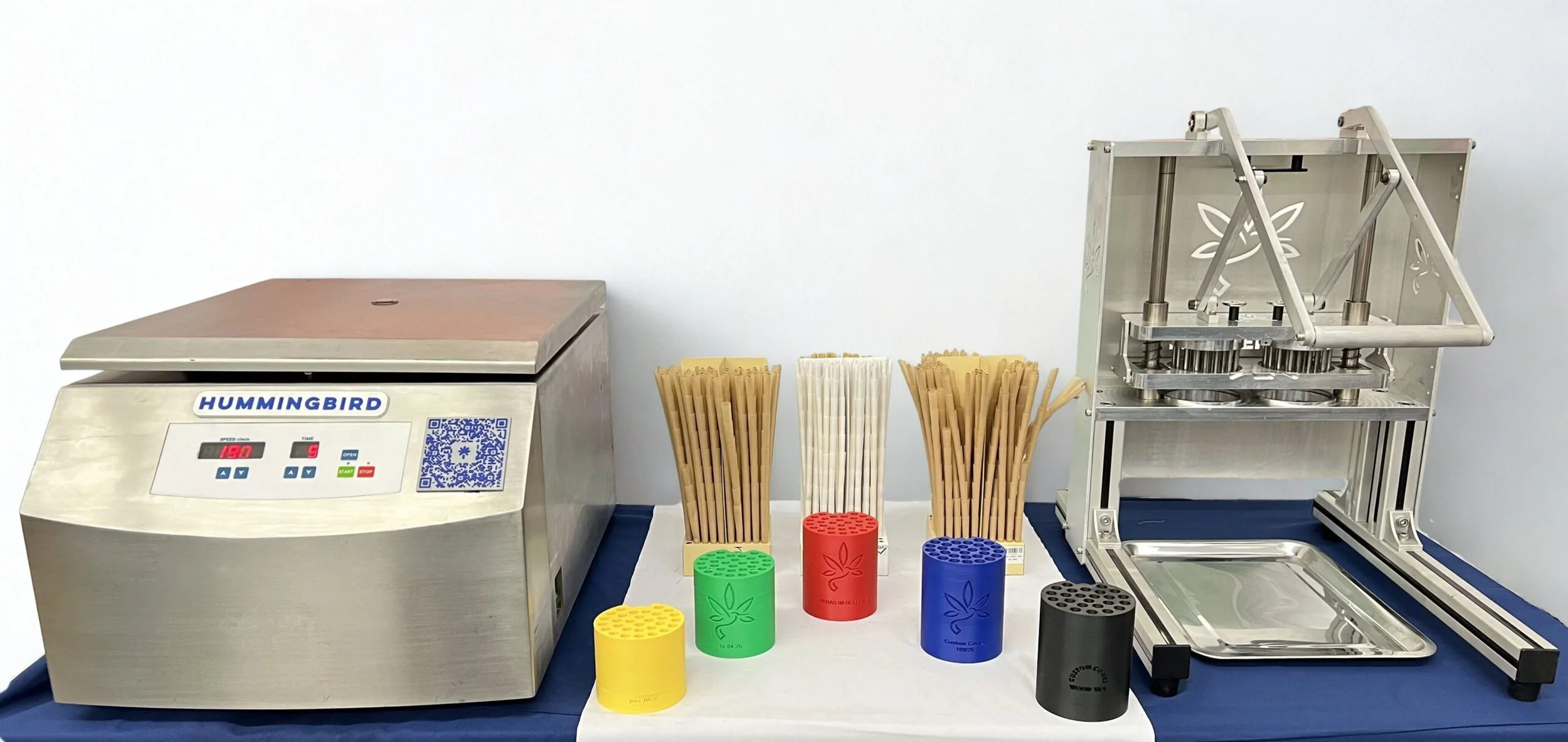
At Hummingbird, we didn’t start by studying Toyota. We didn’t start by reading books on Lean Manufacturing. We started by trying to solve the same problems every preroll manufacturer faces. How do you produce more prerolls with fewer headaches? How do you train operators faster? How do you improve consistency? How do you support more SKUs without creating chaos on the production floor? Over the years, we kept arriving at the same conclusion. The biggest improvements rarely came from making a task faster. The biggest improvements came from eliminating the task entirely.
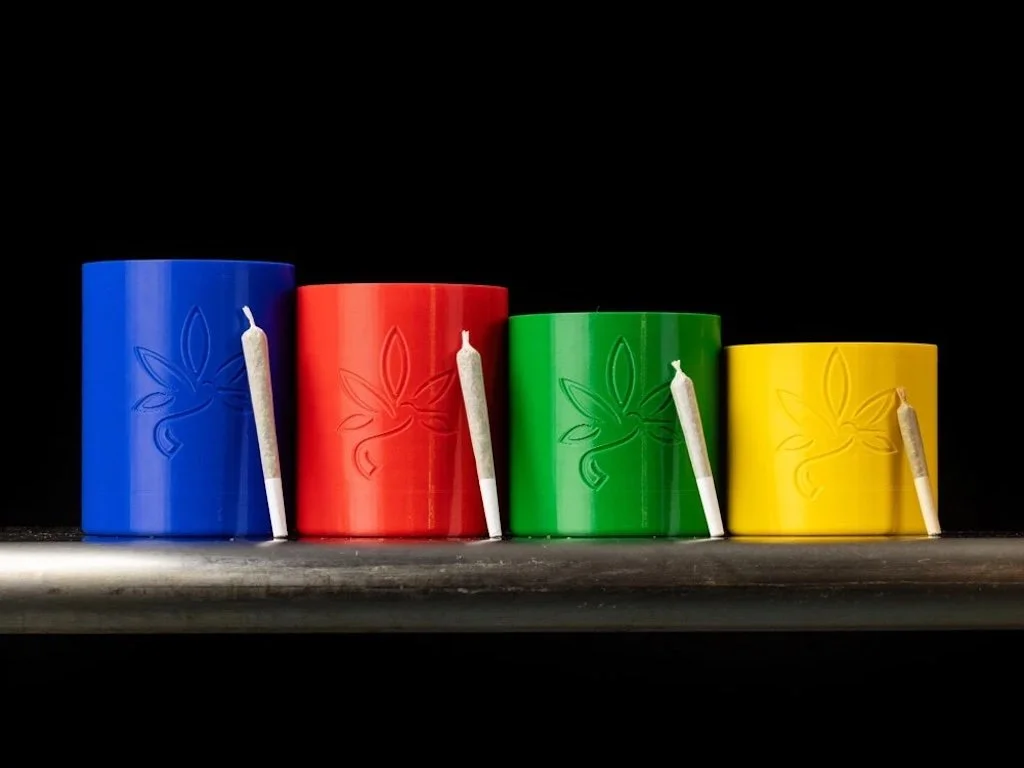
Pre-Rolls Are Reshaping Cannabis Retail Nationwide
The U.S. cannabis market is often discussed state by state, with each market carrying its own rules and consumer behavior. But one trend that cut across nearly the entire country in 2025: pre-rolls got bigger everywhere. Most notably, pre-rolls overtook flower in unit sales for the first time in American history, becoming the top-selling cannabis product on the U.S. market by volume. The category reached nearly $3.6 billion in revenue in 2025, with unit sales climbing to 383.2 million. Market share rose to 15.9%, and pre-rolls gained share in 14 of the 15 tracked markets covered in the 2026 State of the Pre-Roll Market Report by Custom Cones USA.
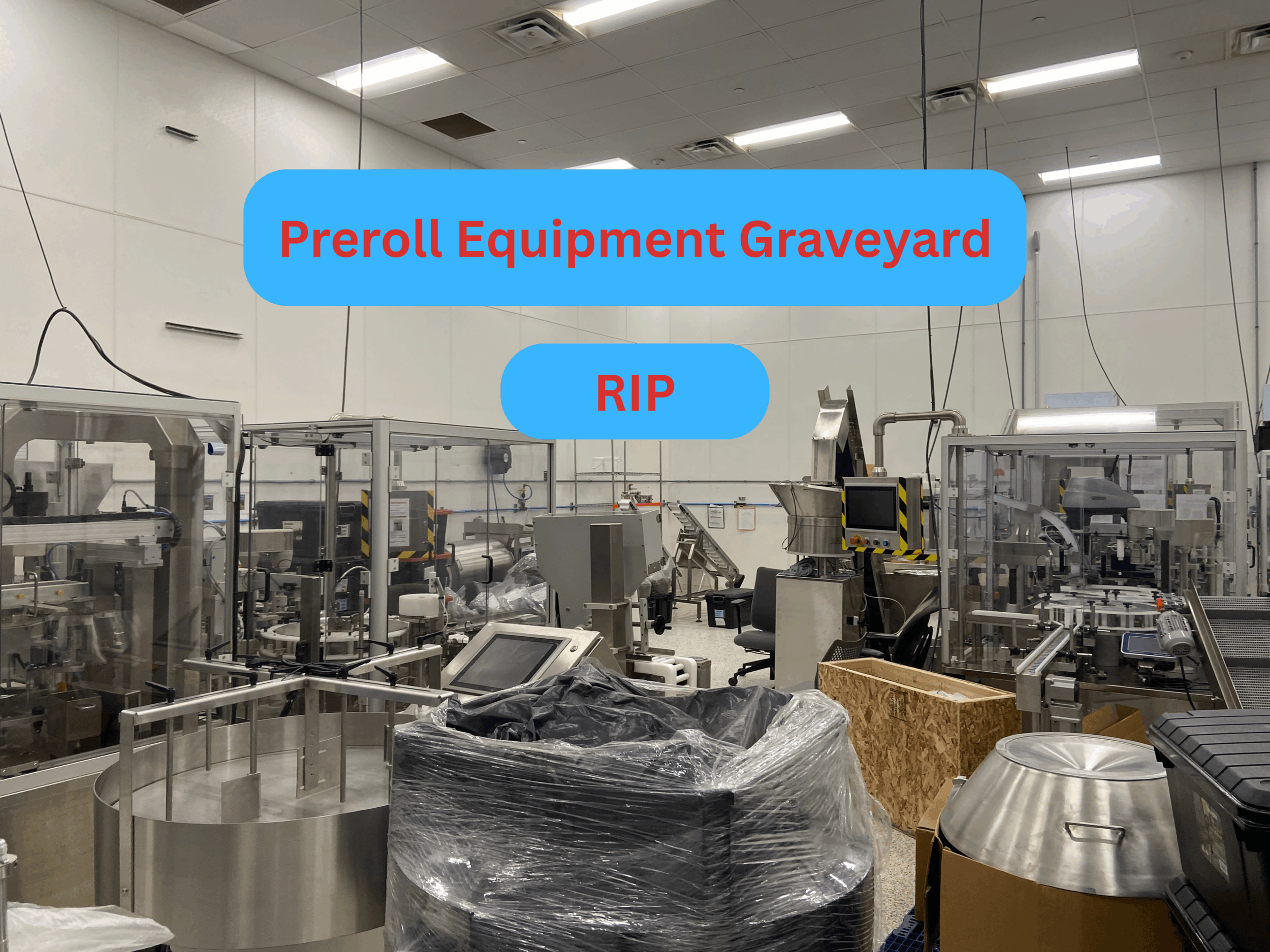
Avoiding the Graveyard: A Guide to Smart Preroll Equipment Choices
The biggest cannabis show of the year is just around the corner, and the buzz is palatable. New tech, new tools, and a promise to take your cannabis business to the next level are all on display. But here’s the harsh reality: while the equipment on the floor may sparkle and shine, it’s all too easy to fall into the Equipment Graveyard. So what’s the Equipment Graveyard? It’s that growing collection of shiny machines that seemed like the answer to all your problems, but are now collecting dust in the back of your warehouse.
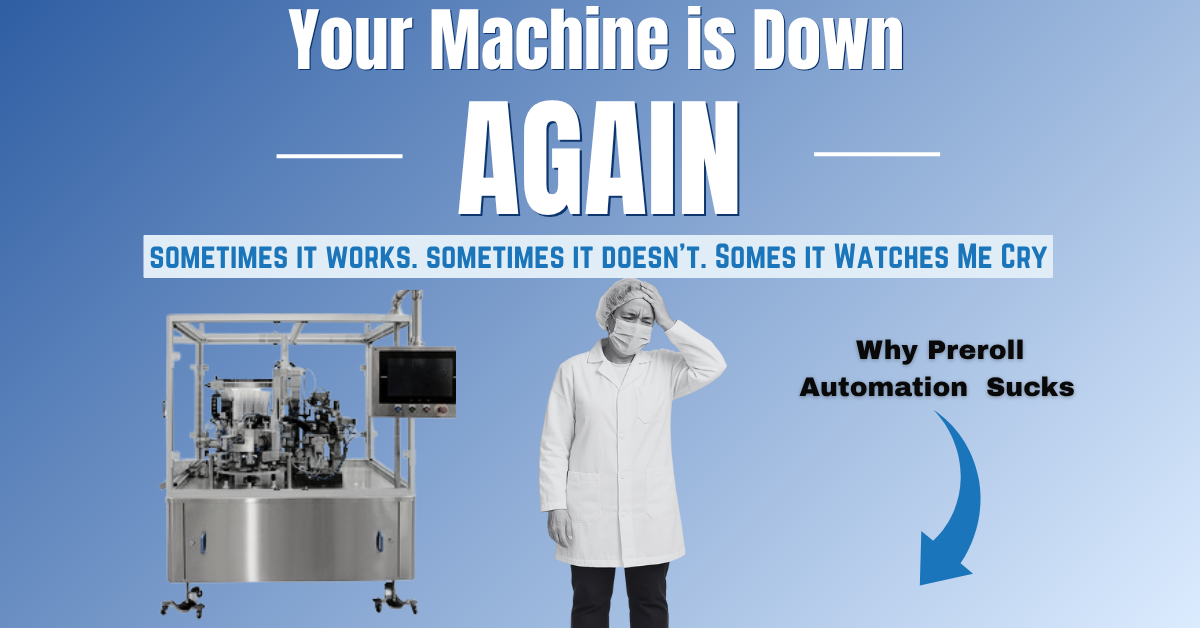
Why Preroll Automation Sucks: A Historical Perspective
We started making prerolls in 2015. At the time, the only available “technology” for manufacturing prerolls was the Bump Bo’ & The Futurola Knockbox. After failing to convince ConeSmoke to sell us a Mach 6, we settled for the Knockbox. At the time of purchase, I was pissed. Paying $4500 (yes, inflation) for a “commercial” piece of equipment made out of wood, plastic and glass made my stomach turn. We hit the ground running. We created SOPs for our Knockbox, and, much like many of our resourceful, MacGyver-esque customers, we made tweaks to the “Knockbox” to boost its production.
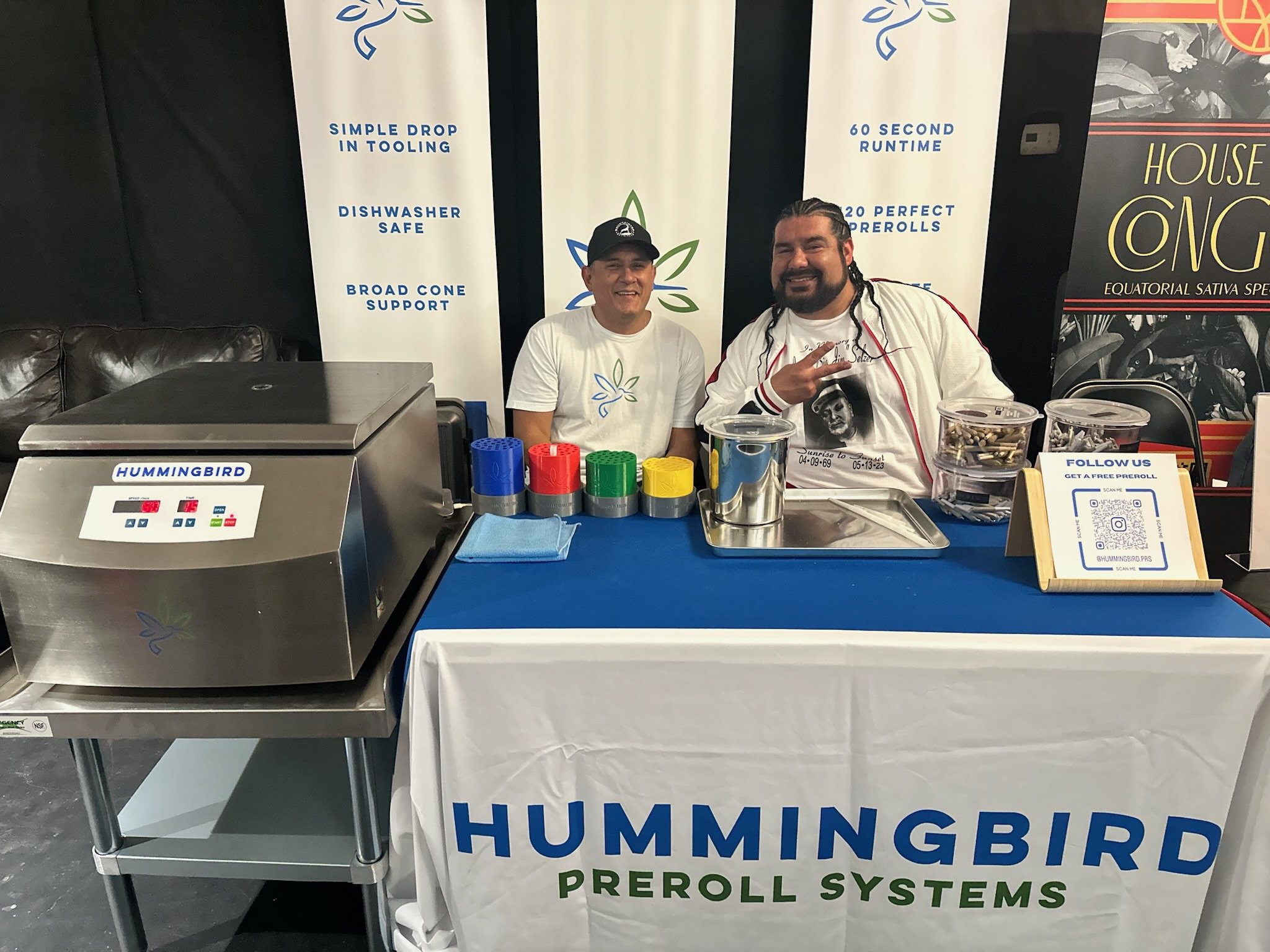
PSA: Hummingbird Support for PreRoll-Er & Box Finisher Customers
First off, if you’ve ever purchased a Hummingbird through Preroll-Er / Procepack, we want to extend a heartfelt apology. We know there were bumps along the way, and we want to set the record straight. For every successful integration of our Hummingbird PR1, the leader in centrifuge preroll packaging technology, with PreRoll-Er’s BoxFinisher, we have heard or bore witness to an equal if not higher number of complaints and disillusionment.
Know Your Cone
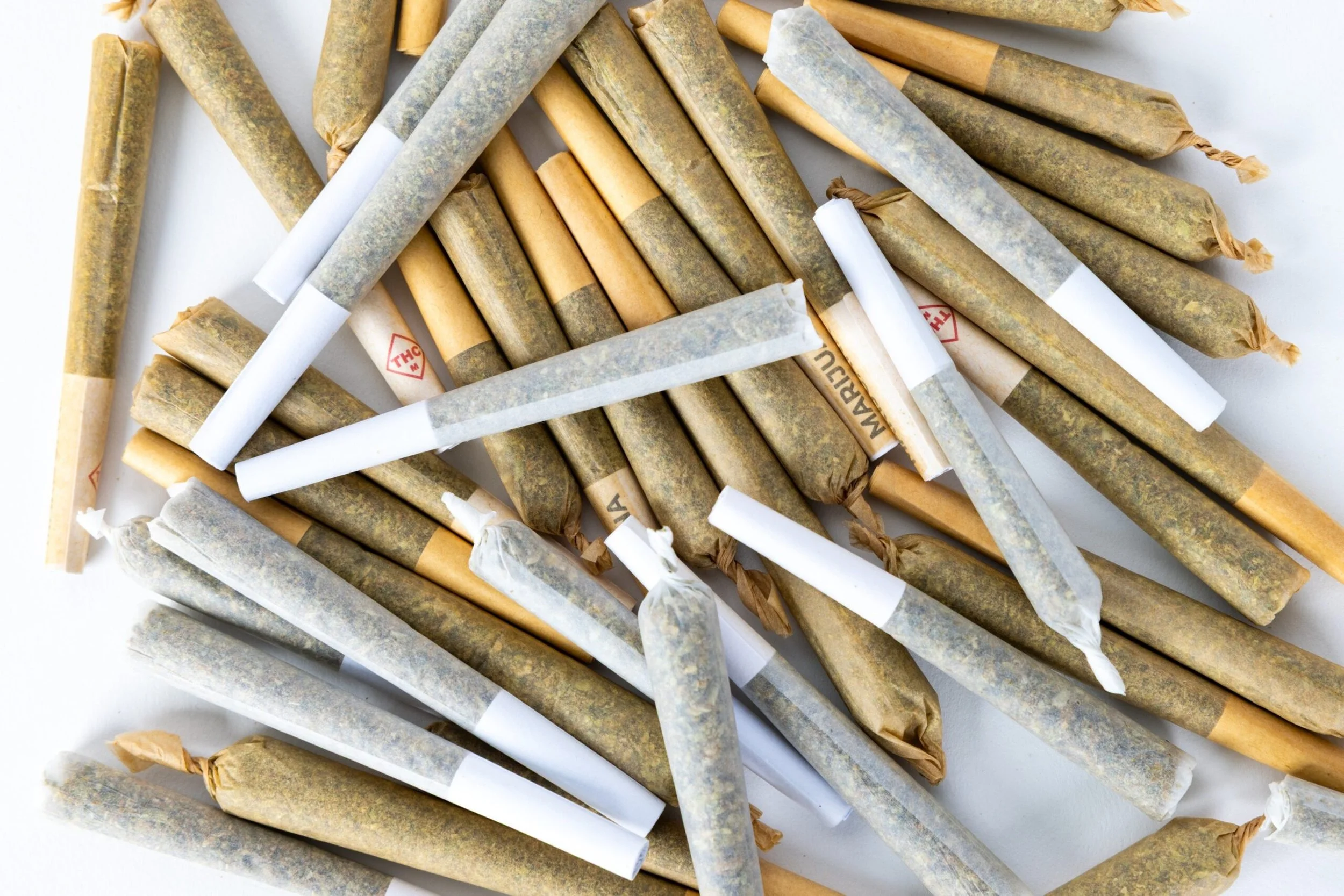
99% of Cones Are Hand Assembled: The Hidden Challenge in Preroll Production As cannabis and hemp markets continue to expand, the demand for pre-roll cones and hemp blunt tubes has seen explosive growth. However, despite the soaring demand, paper cone and tube manufacturing process remains one of the most labor-intensive industries in our supply chain. While the cannabis preroll market thrives, the cone filling and blunt cone production processes face numerous challenges. These challenges slow growth and hinder manufacturing efficiency. From inconsistent quality to operational bottlenecks, the current hand-assembly methods lack the consistency and scalability needed for streamlined production.
Tradeshow FOMA & Smart Pre-Roll Equipment Choices
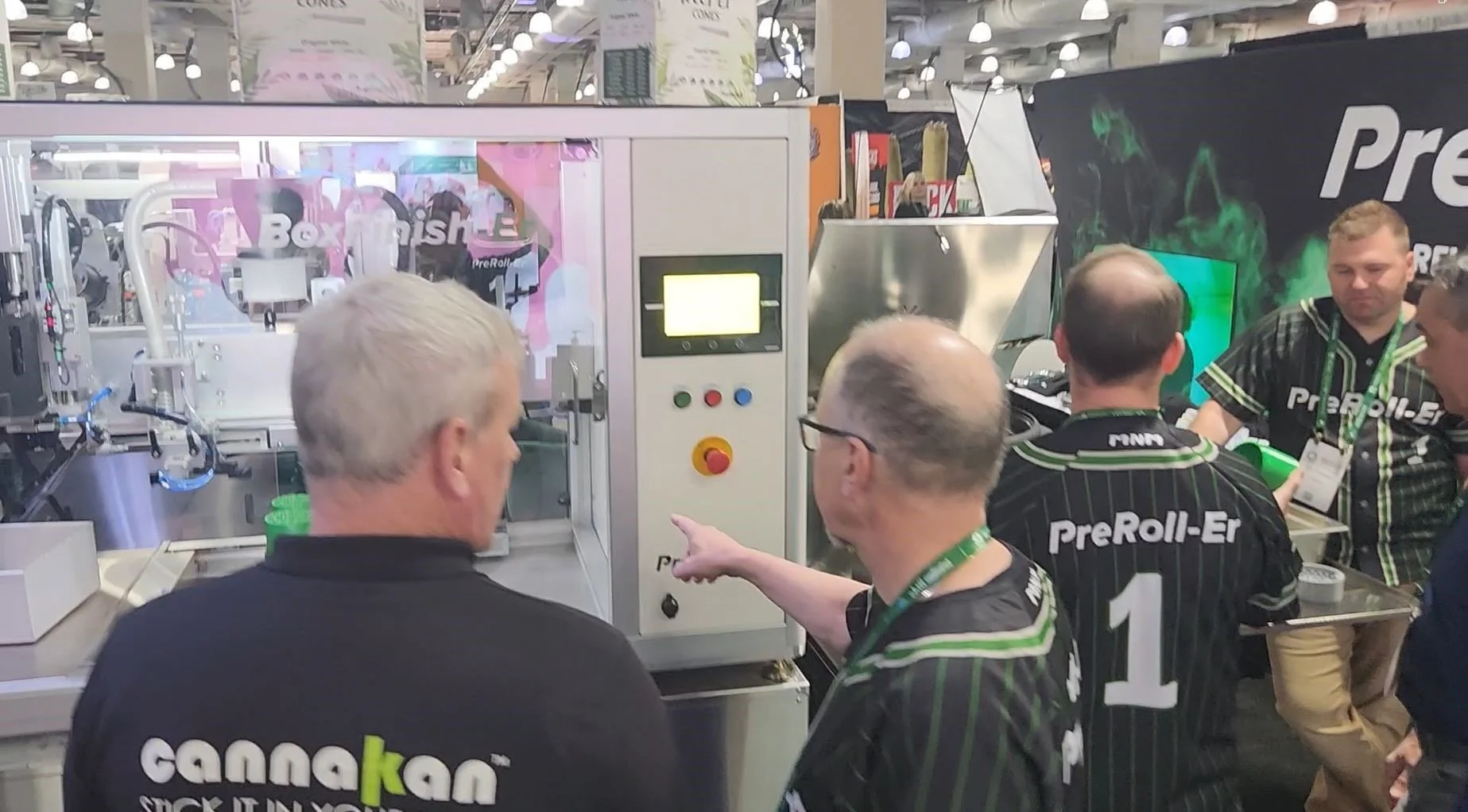
You’ve been there. We’ve been there. Standing on the tradeshow floor, watching the latest Pre Roll Machines in action, imagining your production line running at full speed. The demos are mesmerizing—the Automatic PRERoller 300 Joint Rolling Machine effortlessly filling Cones at lightning speed, the machines humming as they churn out hundreds of prerolls.. You run the numbers… 1,500 prerolls an hour, 7.5 hour shifts… that’s over 11,000 prerolls a day. You divide that output by your per operator cost of $200 a day. We’re talking less than two cents per preroll! Meanwhile, you’re shelling out 45 cents a pop to a co-packer, or your trustworthy Knockboxes are churning out only a few hundred per day.
The Canna Chad: A Preroll Production History Lesson
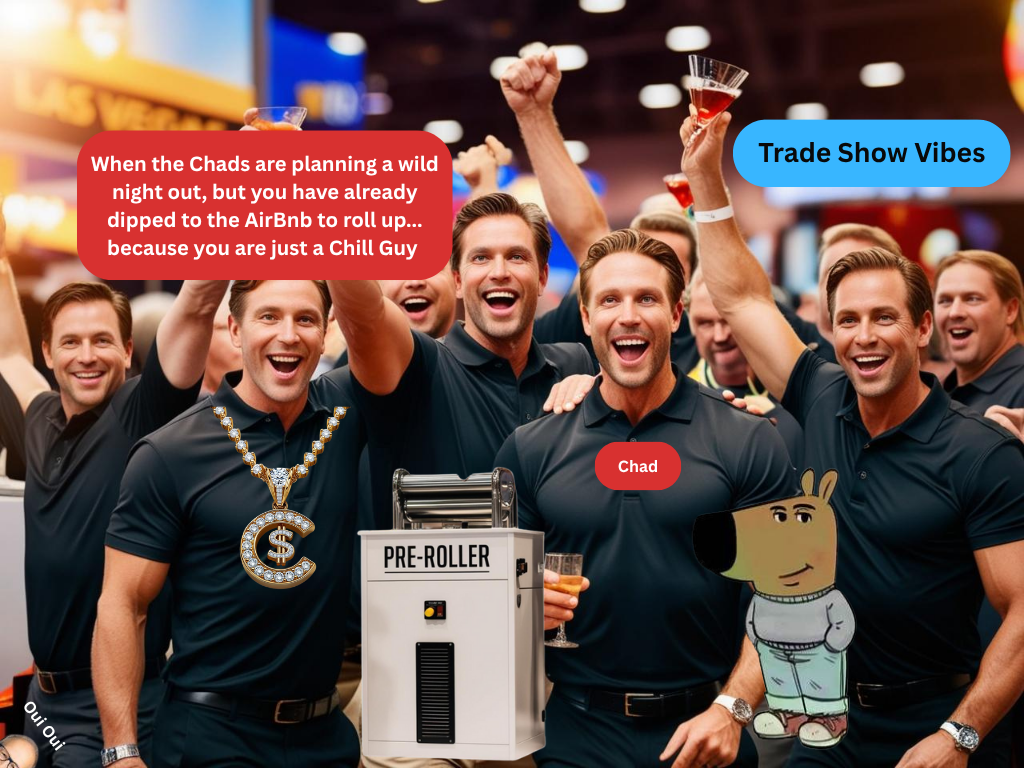
We met our first Canna Chad in 2016. He came from Canada with a blazer, a buzzword-loaded deck, and an ego big enough to fill a hash hole joint tube. His company? CannaRoyalty — one of the earliest to drop serious capital into California’s cannabis industry. Half a million dollars landed in our dispensary without a solid business plan or product roadmap. We didn’t know it yet, but this was the first sign of what would become a full-scale Canna Chad invasion — one that would eventually stretch from investment rounds to pre roll machines, and from flashy dispensary rollups to overbuilt preroll manufacturing machines that couldn’t handle real-world flower and the evolution of heavily infused material in preroll production.
Cannabis Can
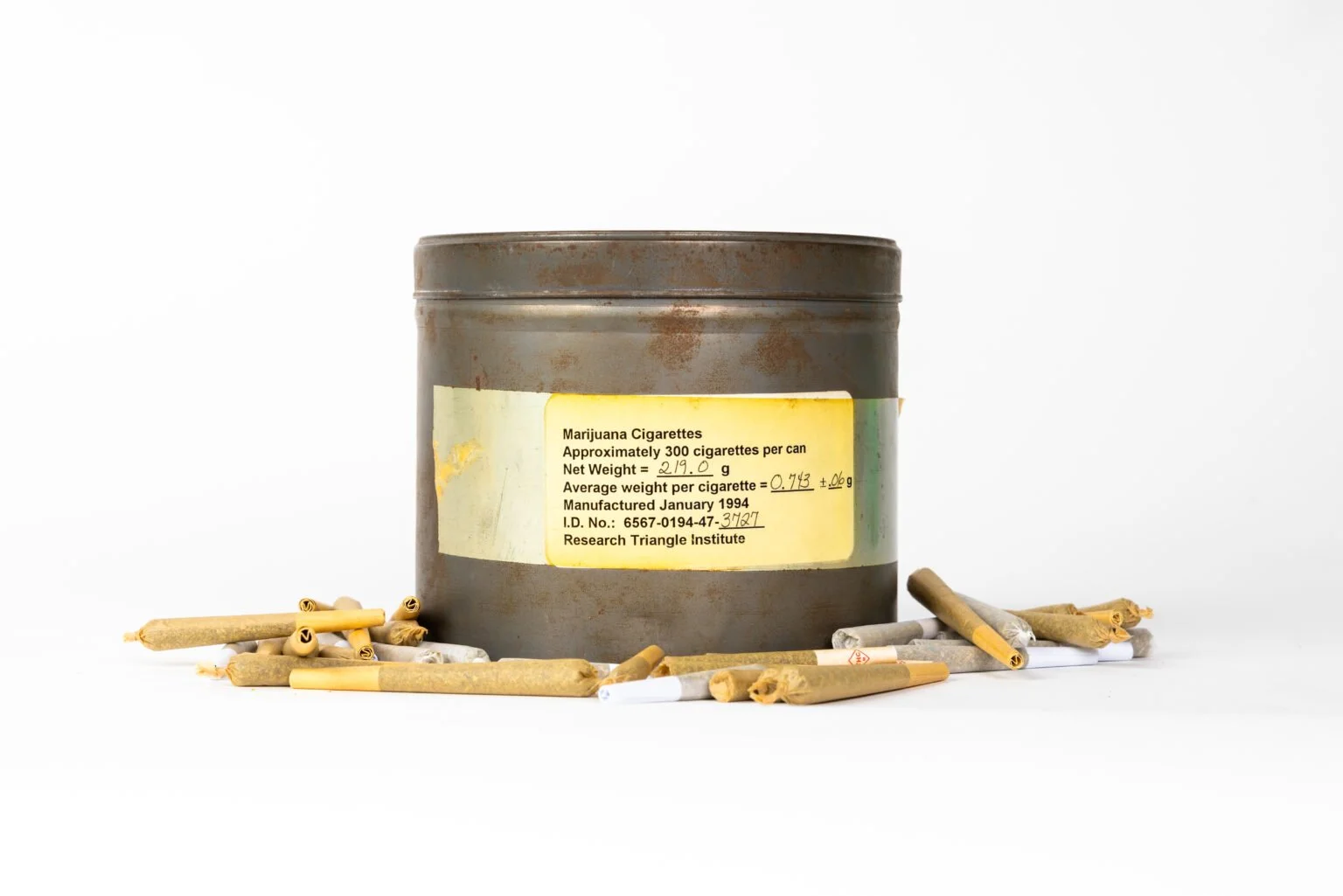
When people think about cannabis today, sleek dispensaries and flashy packaging often come to mind. However, the industry didn’t begin with polished branding or celebrity strains. Instead, it grew from protest, persistence, and patients who had nothing left to lose. At Hummingbird, we proudly carry that legacy forward. We don’t just build pre-roll machines — we continue the story of cannabis as medicine, advocacy, and community. That’s why we welcomed an artifact into our HQ that speaks louder than words: a real federal cannabis tin from the now-closed Compassionate Investigational New Drug (IND) program.
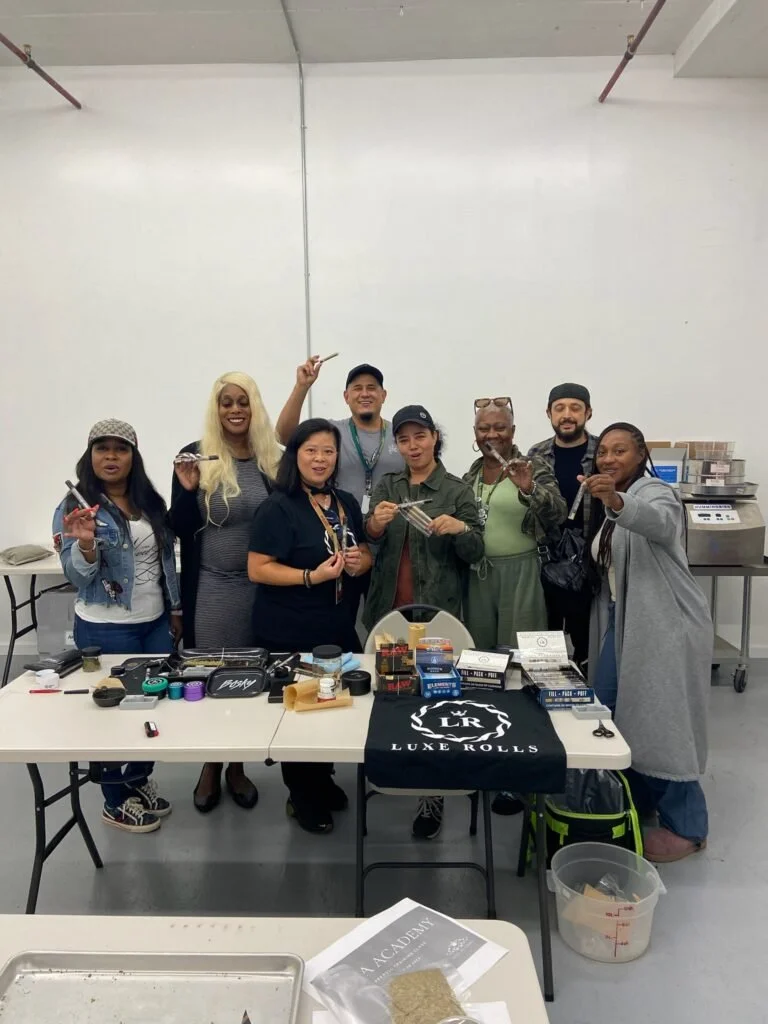
Hummingbird & Social Equity Roots in the Town: Social Equity and the Hummingbird in Oakland Cannabis
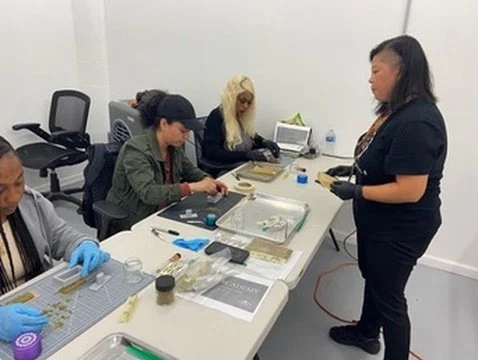
Oakland, California isn’t just a city — it fuels a movement. It radiates resistance, incubates Black power, and stages a daily act of community resilience. Reinvention defines Oakland, where residents rise with purpose and vision. Nowhere does that vision shine brighter than in Oakland’s cannabis equity movement — where Doja Academy leads the charge. To understand equity in cannabis, first recognise the historic inequities of policing. The War on Drugs devastated Oakland’s communities of color. Over-policing, mass incarceration, and systemic criminalisation broke families and choked economic opportunity. Now that cannabis is legal, impacted communities deserve a front-row seat in the legal industry.
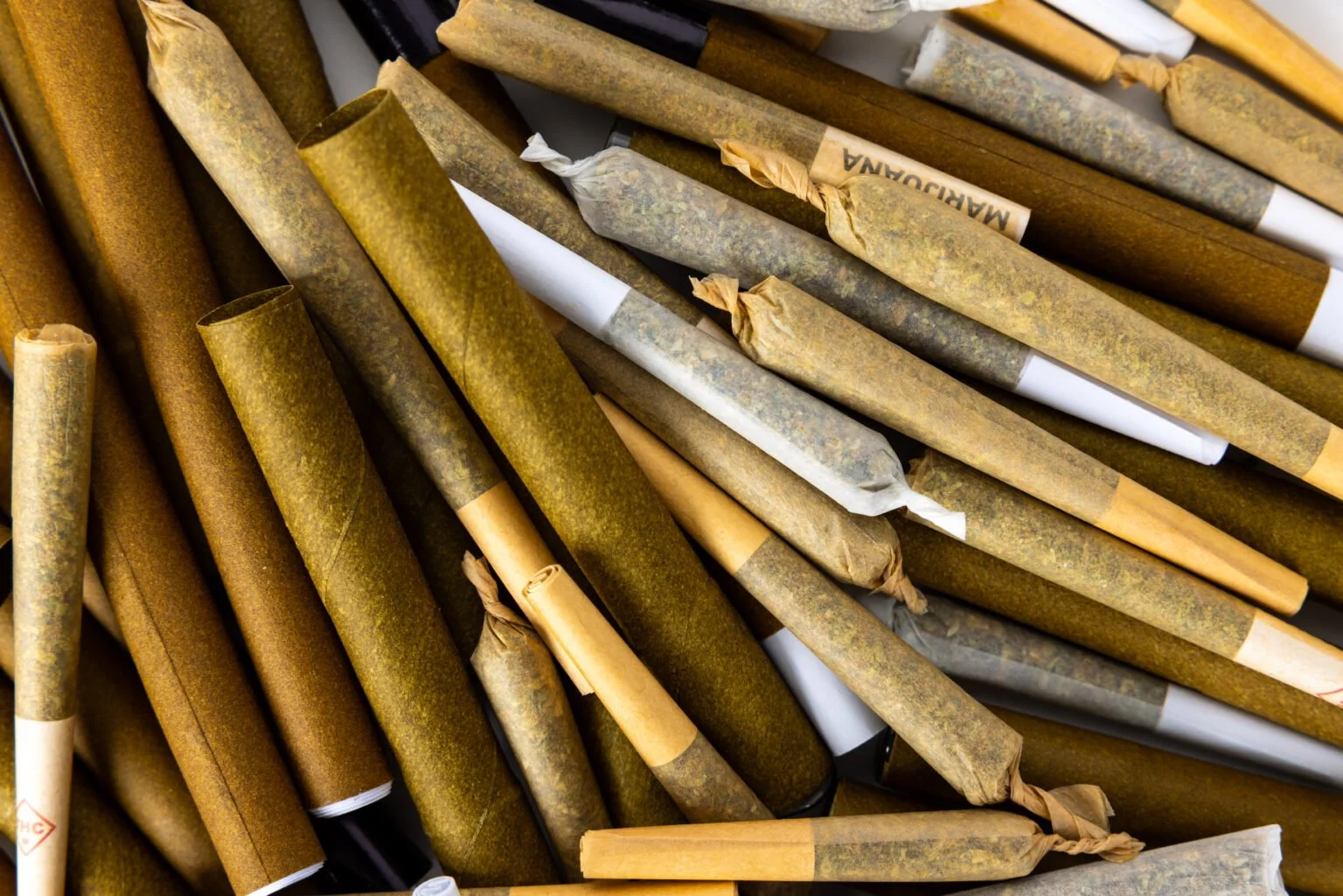
Pre-Roll Glossary: Commercial Preroll Manufacturing Terms
As cannabis legalization sweeps across the globe, the culture—and the language—around pre-rolls is evolving rapidly. From 50-pack trim rolls to connoisseur hash holes, it’s clear: this ain’t just weed anymore, it’s a worldwide movement. At Hummingbird, we’ve observed firsthand how pre-rolls have become the universal format for modern cannabis. But with growth comes complexity—and lingo. Whether you’re on the production floor, posting up at a sesh in the Bay, or decoding terms like “boof,” “dogwalker,” or “SuperSpeed” in a packaging meeting, this glossary has your back.